News Markets Groups Media

USA | Europe | Asia | World| Stocks | Commodities

Home News World Interest Rates Rose in Europe


Interest Rates Rose in Europe
added: 2008-07-04

Inflation is a worry, no matter the type of economy. Oil prices are rising and acting like a demand eater, just as rising interest rates have been doing here. Oil surged over $US146 a barrel, then eased, stocks swooned, interest rates rose in Europe.

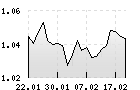
Oil surged over $US146 a barrel, then eased, stocks swooned, interest rates rose in Europe. The Lex column in today's Financial Times warned: "In the anatomy of this bear, however, the cycle of earnings downgrades has barely begun. Globally, trailing earnings are down barely 5 per cent from a lofty peak – against the average historical slump of 25 per cent – and the damage remains concentrated in the beleaguered financial sector."
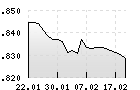
A re-rating of resources shares here, seen yesterday in the market, is a big danger to our already battered bourse Central banks like the Reserve Bank here are now looking and waiting for the surge in oil prices to strangle economic growth, demand and eventually inflation. Judging by the above graph, surging oil is belting stock prices around the world.

As we learned this week, there's no need for a rate rise here from 7.25%, even if inflation may brush 5% soon. The surging price of oil is doing the job for the RBA, and other central banks. It will be brutal, it will be bearish and it is bad for stocks. But there are bargains, if you have the long view, the cash and the nerve.

What the subprime mess started more than a year ago in the US, will end next year in a slump or stagnation globally. Not even the still burning economies of China, Brazil, and to a lesser extent, India or Russia, will be enough to keep the world from sliding south. That will mean a surge in unemployment: no wonder the OECD (Organisation for Economic Co-Operation and Development) is forecasting a 9% rise in jobless numbers in its 30 member countries over the next year.

No wonder it is saying unemployment rates in many countries will have a '6' in front of them in 2009. The US housing slump is likely to be extended and "continues to pose a considerable downside risk to the US economy" according to US Treasury Secretary, Hank Paulson. He said in London that "We should not be surprised at continued reports of falling home prices."

In other words, the primary cause of all the problems: the US housing slump, isn't going away, quite yet. It's been more than five years since we have seen a market correction/mauling of the sort of we have witnessed in the past month. The slump from Mid-May on all markets here and around the globe, has been nothing short of breath-taking, with a string of unwanted records and not so notable firsts revealed.

The Dow Wednesday became the second major US index to enter a bear market, crossing the critical threshold of a 20% fall from its peak, following the Nasdaq in February. The broader S&P 500 is a little more than half a percent from the same fate. In fact the Standard & Poor's 500 is within 12 points of where it stood in 1998. So much for the biggest boom ever!

In Tokyo, the Nikkei Index opened lower for an 11th day in a row, adding to its longest losing streak in 40 years. It's lower close yesterday made the losing streak the longest since 1953. Another unwanted record. Oil prices jumped past $US146 a barrel On Nymex ion New York, touching $US146.30 in European Trading.

It was the first time oil prices have been past $US146 a barrel. The eased back in US trading to around $US145.03. Oil prices are up more than 50% this year. It's no wonder the Reserve Bank is so worried about their impact and is treating the rises like a couple of interest rate increases. Figures out yesterday showed the Australian services sector of the economy contracted last month and activity is now at a five year low. The sector has been in trouble since April, but the extent of June's squeeze surprised.

Copper hit a new record price in New York of $US4.06335 a pound: out of nowhere before it eased in Asian trading. It then lost all the gains in the US overnight Thursday. Corn and wheat were dragged higher as soybean prices hit a second successive record on the Chicago Board of Trade of $US16.3225 a pound. Gold rose and the Australian dollar firmed past 96.20 USc in local trading. It eased back to 96 US cents Friday morning.

Economists now wonder about the damage a rate rise from the ECB will do. Fire up the bears might be one outcome. But the euro fell and the US dollar rose, except for oil commodities eased. And investors in the US and Europe are starting to worry about easing coal prices: with the prices of steel and coal companies falling sharply this week. That's partly why our market took a pounding Thursday. 

Could the boom be fading and the likes of BHP, Rio and others be about to join the rest of the market at lower levels? Denmark is in recession; Ireland is said to be tottering on the edge; with Spain, Italy and Portugal not far behind. Britain is slumping quickly. It's not part of the eurozone and not covered by the ECB but a rate rise will have a knock on effect.

Figures this week showed British manufacturing contracted in June: a complete surprise to the market, while inflation surged. Leading retailer, Marks and Spencer shocked the market with a sales slump of more than 5% on a like for like basis and down went the shares 24% and the sector as well. Taylor Wimpey, the country's leading home builder couldn't get investors to stump up all of the $1 billion in new capital, so the deal was abandoned. Its shares dropped 47% and other home builders followed.

Those two announcements shocked investors. Front page stories yesterday in London papers were saying 'slump' and 'recession'. The blow to business and consumer confidence was heavy. Taylor Wimpey has warned that while it has written down its land bank by around $1.4 billion in value, it may breach banking loan restrictions by early next year.

To give you some idea of the damage being done by the housing slump, Britain's listed home builders have now lost more than 85% of their market value or around $A40 billion, over the past 18 months. Mortgage borrowings in the first quarter were only 25% or so of that figure: no one wants to buy a home in the UK.

Retailing has been similarly affected, especially since May. The London all retailing index is now at its lowest level since the 1991 recession, which is where UK consumer confidence has fallen to. London papers reported that Charles Bean, the new Deputy Governor of the Bank of England, told UK MPs that the squeeze on living standards could last well into 2009. "It is determined by global factors.

There is not very much that we can do about that as a nation," he was quoted as saying. Marks and Spencer executive chairman, Sir Stuart Rose, who revealed the shock 5% plunge in like for like sales in the company's first quarter, warned that Britain is facing the most severe consumer downturn since the 1990s. The share market malaise has raised the prospect of the rights issue for HBOS (which owns Bankwest here) failing. It's after £4 billion (just over $8 billion) but the issue is heavily underwater. HBOS shares closed down 261 pence on Wednesday - 14p below the 275p rights issue price.

That could leave the underwriters, Dresdner Kleinwort and Morgan Stanley, with most, if not all the shares issued: that's equal to 28% of HBOS's share capital. The two underwriters don't want to control a bank and they will sell the shares and take a loss, a move that could threaten the UK markets and end rights issues for other companies for the time being.

Many of these concerns were fanciful back in May. No more. It might be a reflection of the zoom to gloom by the market, but the real numbers of the economy and from more and more companies around the world are telling a story of sliding sales and earnings. Marks and Spencer will give a profit update at next week's annual meeting. It could be down again!
Across the Atlantic it's the cars, bank, home building and property sectors that are being hammered.

Cars though is where the impact is most public. General Motors shares hit a 54 year low after a broker downgraded them and wondered if the company might slide into bankruptcy if the US car market doesn't improve. GM said it had $US24 billion in cash, undrawn credit lines and was comfortable, thank you. But now US analysts are saying any rebound in the American car industry won't come until after next year.

US auto sales plunged to 13.6 million units on an annualized basis in June, the lowest monthly result in 15 years, compared with 15.2 million in January. In the Financial Times this week a senior fund manager warned of worse to come (is that a gathering of bears I see?). Patrick Legland, head of global equities at Société Générale wrote that shares have further to fall because earnings estimates are too high and inflation is undermining confidence. "He notes that during the four previous market crises/recessions over the last 40 years earnings fell by an average of 15 per cent in the US, and by 33 per cent in Europe and by 22 per cent in the UK.

"That compares with current consensus estimates that global earnings will rise by 4.1 per cent in 2008 and by 12 per cent next year. "I can't see the market going up if companies are warning about their profits or analysts are cutting their estimates," he says. "Inflation is another big threat. "It's very likely that the European central bank will raise interest rates from 4 to 4.25 per cent this week. On the one hand, that is discounted by the market.

"On the other, it will just confirm that central banks are prepared to act against inflation." He believes European markets, already down around 20% this year, could fall another 10%-15% "Falling oil and commodities prices would certainly improve market sentiment, he says, as would a pick-up in merger and acquisition activity. But he does not expect takeover activity to accelerate because senior executives are very cautious right now." Denmark became the first European Union economy to contract for two consecutive quarters since the global credit crunch started last year.

The culprits for the slump in the December and March quarters were rising oil prices, inflation and interest rates. The economy shrank 0.6% in the March quarter after falling a revised 0.2% in the fourth quarter. The economy contracted at an annual rate of 0.7% in the year to March that compares with growth of 1.8% in 2007 and almost 4% in 2006. And, the contraction happened without a surge in unemployment: it fell to 1.7% in May, a 35-year low, with labor shortages hurting some industries (sounds familiar?)

Retail sales dropped 0.6% in May from April; inflation accelerated to an annual 3.4% rate in May, the office said on June 10. The economy grew 1.8% in 2007 and 3.9% in 2006. Interest rates were raised 0.1% in May to 4.35% to defend the peg by which the krone tracks the euro.

With Denmark in recession and Britain leading the way for other European economies, it's no wonder the OECD has gone all gloomy on jobs. The group forecast 100,000 job losses in Britain in the next two years. But compare that with the US where around 345,000 jobs were lost up till May.

The OECD forecast that the number of people out of work in the world's leading economies could rise by 9% to 34.8 million by the end of next year under the impact of the credit crunch. It said the effects of the rise may be more muted than in previous downturns because employment markets are starting from an historically very strong position and the total number of jobless, even after next year's forecast rise, will still be slightly below the average struck between 1995 and 2005.
But unemployment will worsen.

The organisation forecasts that the employment rate across 30 OECD countries will still be only 6% in 2009, compared with a 6.6% average between 1995 and 2005, which it described as a "fairly strong period for employment". But that's skewed by sluggish Europe. Australia, New Zealand, Canada and the US, not to mention several smaller economies in the OECD, which have all seen unemployment well below 6%, and even 5% in the past two years.

That means some OECD members are facing a substantial rise in unemployment levels over the next 18 months. But the rising level of unemployment should dampen fears of inflationary pay rises as workers worry more about retaining their job than using their bargaining power to increase real pay. That was actually the message at this week's annual meeting of The Bank for International Settlements in Switzerland.

Central banks will take comfort, but the high price of oil and petrol is helping. It's hard to strike for higher wages when everyone is suffering from the impact of more costly oil and petrol. The BIS could have argued that huge home mortgages in many countries (Australia, Britain, the US, Ireland, Denmark, etc) will also help keep industrial action down.


Source: ABN Newswire

Privacy policy . Copyright . Contact form .